Buy industriefussboden.eu ?
We are moving the project
industriefussboden.eu .
Are you interested in purchasing the domain
industriefussboden.eu ?
domain@kv-gmbh.de · 0541-91531010
Buy industriefussboden.eu ?
What are concrete activities for the eight virtues in Buddhism?
In Buddhism, the eight virtues are often practiced through specific activities and behaviors. For example, generosity can be practiced through giving to those in need or supporting charitable causes. Moral conduct can be cultivated through following the Five Precepts, which include refraining from harming living beings and practicing honesty. Patience can be developed through meditation and mindfulness practices, while diligence can be practiced through dedicated effort in one's spiritual practice. The virtue of concentration can be cultivated through meditation and mental training, while wisdom can be developed through studying Buddhist teachings and reflecting on the nature of reality. Loving-kindness and compassion can be practiced through acts of kindness and by cultivating empathy and understanding towards others. **
What are the differences between Buddhism and Tibetan Buddhism?
Buddhism is a broader religion that encompasses various traditions and schools, while Tibetan Buddhism is a specific branch of Buddhism that developed in Tibet. Tibetan Buddhism incorporates elements of Tibetan culture, such as rituals, deities, and practices like chanting and visualization. It also places a strong emphasis on the teachings of Tibetan Buddhist masters and the importance of the Dalai Lama. Additionally, Tibetan Buddhism includes unique practices such as the use of prayer flags, prayer wheels, and mandalas. **

Similar search terms for Buddhism
Top-Angebote
Products related to Buddhism:
-
Uplifted Trends Car Tire Polish & Plastic Part Enhancer Durable Maintenance Coating For Tire Luster & Interior Refurbishment Car Tire Polish & Plastic Part Enhancer Durable Maintenance Coating For Tire Luster & Interior RefurbishmentTransform the look and longevity of your tires and plastic parts with our Car Tire Polish 1000 ML & Plastic Part Enhancer. This premium wax is designed for car enthusiasts who want to restore the shine and durability of both tires and plastic...34,97 $*Shipping: 0,00 $Secure redirect to the provider
-
Inspired Living Waterproof Concrete Leak Repair Sealant 500ML Roof Crack Repair Coating 1pcStop leaks before they become costly repairs with our Waterproof Concrete Sealant, a durable coating designed to seal cracks, joints, and damaged surfaces. Whether you're protecting your roof, foundation, walls, or concrete floors, this easytoapply...71,97 $*Shipping: 0,00 $Secure redirect to the provider
-
Elemis Dynamic Resurfacing Peel & Reset 30mLA skin-care product for dull skin. It a clinically proven exfoliator that immediately improves skin's radiance and texture, while supporting skin with nourishing moisture. The clinically proven formula gently but effectively cleanses the skin's surface layers and accelerates natural cell renewal in 14 days.64,98 £*Shipping: 5,22 £Secure redirect to the provider
-
Mii Cosmetics Bright Skin Resurfacing PadsRevive your skin every day with Mii's Bright Skin Resurfacing Pads - these biodegradable pads have been infused with a powerhouse blend of exfoliating and skin-perfecting ingredients. Featuring a unique 4-acid complex (AHA, PHA, BHA, and TXA), these dual-action pads gently slough away dead skin cells while maintaining your skin’s natural hydration. The result? A visibly brighter, smoother, and more even-toned complexion with refined pores and renewed radiance. Key Benefits: - AHA (Glycolic & Citric Acids): Smooth and brighten by exfoliating the surface to reveal fresh, glowing skin. - PHA (Gluconolactone): Offers gentle exfoliation while delivering hydration. - BHA (Willow Bark Extract): Targets blemishes and decongests pores for clearer-looking skin. - TXA (Tranexamic Acid): Helps reduce visible discolouration and promotes a more even skin tone. - Niacinamide (2%): Enhances radiance, evens skin tone, and softens the appearance of fine lines. - Allantoin (0.1%): Calms and comforts the skin barrier. - Caffeine (0.1%): Supports skin vitality through enhanced microcirculation. Ingredients Water (Aqua), Butylene Glycol, Glycerin, Niacinamide, Methylpropanediol, Glycolic Acid, Hydroxyacetophenone, Sodium Hydroxide, Chlorella Vulgaris Extract, Glucose, Allantoin, Caffeine, Citric Acid, Fructooligosaccharides, Fructose, Gluconolactone, Salix Alba (Willow) Bark Extract, Tranexamic Acid, Polyglyceryl-10 Laurate, Caprylyl Glycol, Ethylhexylglycerin, 1,2-Hexanediol, Pentylene Glycol, Sodium Phytate, Acetyl Glucosamine, Xanthan Gum, Sodium Hyaluronate, Cynanchum Atratum Extract, Althaea Rosea Flower Extract, Sodium Hyaluronate Crosspolymer, Capryloyl Salicylic Acid.18,35 £*Shipping: 0,00 £Secure redirect to the provider




-
What is the difference between Buddhism and Zen Buddhism?
Buddhism is a broader religion and philosophy that encompasses a variety of traditions and practices, while Zen Buddhism is a specific school or branch of Mahayana Buddhism that emphasizes meditation and direct experience of enlightenment. Zen Buddhism places a strong emphasis on the practice of meditation (zazen) as a means to achieve enlightenment, while traditional Buddhism incorporates a wider range of practices such as chanting, rituals, and study of Buddhist scriptures. Additionally, Zen Buddhism often focuses on the teachings of specific Zen masters and the importance of the teacher-student relationship in transmitting wisdom and insight. **
-
Is Buddhism illogical?
Buddhism is not inherently illogical. It is a complex and diverse belief system that encompasses a wide range of philosophical and ethical teachings. While some aspects of Buddhist doctrine may seem counterintuitive or difficult to understand from a Western perspective, they are based on a different cultural and philosophical framework. Many Buddhist teachings emphasize the importance of critical thinking and personal experience, and encourage followers to question and explore their beliefs. Ultimately, whether Buddhism is considered logical or not may depend on one's own perspective and understanding of its teachings. **
-
What is the difference between Zen Buddhism and regular Buddhism?
The main difference between Zen Buddhism and regular Buddhism lies in their approach to meditation and enlightenment. Zen Buddhism, which originated in China and later developed in Japan, emphasizes the practice of meditation (zazen) as the primary means to attain enlightenment. It focuses on direct experience and intuitive understanding, often through the guidance of a teacher. Regular Buddhism, on the other hand, encompasses a variety of traditions and practices, with meditation being just one of them. It places more emphasis on the study of scriptures, ethical conduct, and the development of wisdom and compassion. While both Zen Buddhism and regular Buddhism share the same core teachings of the Four Noble Truths and the Eightfold Path, their methods and emphasis on practice differ. **
-
What does Buddhism teach?
Buddhism teaches the Four Noble Truths, which are the truths of suffering, the cause of suffering, the end of suffering, and the path to the end of suffering. It also emphasizes the importance of mindfulness, compassion, and non-attachment. Buddhism teaches that all beings are interconnected and that the ultimate goal is to achieve enlightenment and liberation from the cycle of birth and death (samsara). **


What is Zen Buddhism?
Zen Buddhism is a school of Mahayana Buddhism that originated in China during the Tang dynasty and later spread to Japan. It emphasizes the practice of meditation (zazen) and the direct experience of enlightenment, or awakening. Zen teachings often focus on the concept of emptiness, impermanence, and the importance of living in the present moment. It is known for its minimalist approach, simplicity, and the use of paradoxical statements (koans) to provoke insight and break through conceptual thinking. **
What makes Buddhism attractive?
Buddhism is attractive to many because of its emphasis on inner peace, mindfulness, and compassion. The teachings of Buddhism offer practical tools for dealing with suffering and finding contentment in the present moment. The focus on personal growth and self-awareness also appeals to those seeking spiritual fulfillment. Additionally, the inclusive nature of Buddhism, which welcomes people from all backgrounds and beliefs, makes it a welcoming and accessible path for many. **
Top-Angebote
Products related to Buddhism:
-
Watkins Publishing Zen and the Art of Dealing with Difficult People by Mark Westmoquette - Paperback - Mindfulness & Zen Buddhism Guide for Adults - UK EditionZen and the Art of Dealing with Difficult People is a thoughtful, practical guide for anyone who has ever felt wound up, drained, or triggered by another person. Drawing on Zen Buddhism and mindfulness practice, astrophysicist-turned-meditation-teacher Mark Westmoquette shows readers how to recognise recurring patterns in their reactions to "difficult" people and use these encounters as opportunities for genuine personal growth, rather than sources of ongoing frustration and pain. Every one of us has at least one "troublesome Buddha" in our lives—a colleague, relative, friend, or stranger whose behaviour seems to press all our buttons. This book argues that these people are not simply obstacles to be endured, but mirrors that reveal our own unexamined habits, fears, and conditioning. Using accessible explanations of Zen philosophy alongside structured mindful practice, Westmoquette provides a roadmap for navigating challenging interactions with composure. Published by Watkins Publishing, this paperback edition is designed for adult readers seeking a grounded approach to interpersonal dynamics.3,99 £*Shipping: 2,99 £Secure redirect to the provider
-
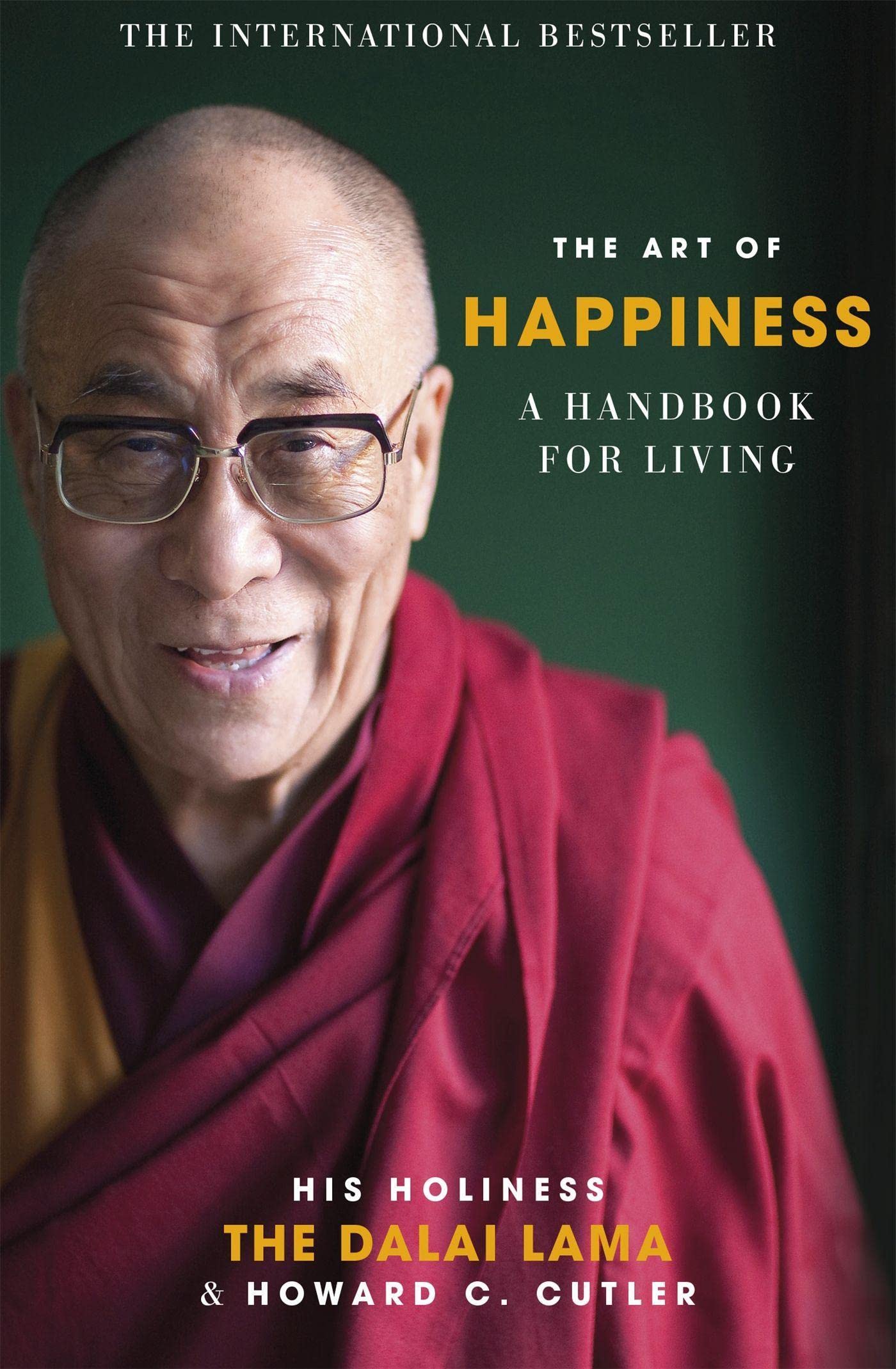
Hodder & Stoughton The Art of Happiness: A Handbook for Living by The Dalai Lama & Howard C. Cutler - Paperback Self-Help Classic on Buddhism & WellbeingA handbook for living, 'The Art of Happiness' pairs the spiritual insight of the Dalai Lama with the clinical expertise of Dr Howard C. Cutler. This practical guide explores how lasting contentment can be cultivated in everyday life, blending Tibetan Buddhist philosophy with Western psychology. The book is based on conversations between the Dalai Lama and Dr Cutler, recorded over several years, and offers a unique perspective on anxiety, loneliness, anger, loss, and the pursuit of wealth. Written with warmth, humour, and practicality, this influential work remains a valuable resource for those seeking calm and inner peace.9,99 £*Shipping: 2,99 £Secure redirect to the provider
-
Uplifted Trends Car Tire Polish & Plastic Part Enhancer Durable Maintenance Coating For Tire Luster & Interior Refurbishment Car Tire Polish & Plastic Part Enhancer Durable Maintenance Coating For Tire Luster & Interior RefurbishmentTransform the look and longevity of your tires and plastic parts with our Car Tire Polish 1000 ML & Plastic Part Enhancer. This premium wax is designed for car enthusiasts who want to restore the shine and durability of both tires and plastic...34,97 $*Shipping: 0,00 $Secure redirect to the provider
-
Inspired Living Waterproof Concrete Leak Repair Sealant 500ML Roof Crack Repair Coating 1pcStop leaks before they become costly repairs with our Waterproof Concrete Sealant, a durable coating designed to seal cracks, joints, and damaged surfaces. Whether you're protecting your roof, foundation, walls, or concrete floors, this easytoapply...71,97 $*Shipping: 0,00 $Secure redirect to the provider
-
What are concrete activities for the eight virtues in Buddhism?
In Buddhism, the eight virtues are often practiced through specific activities and behaviors. For example, generosity can be practiced through giving to those in need or supporting charitable causes. Moral conduct can be cultivated through following the Five Precepts, which include refraining from harming living beings and practicing honesty. Patience can be developed through meditation and mindfulness practices, while diligence can be practiced through dedicated effort in one's spiritual practice. The virtue of concentration can be cultivated through meditation and mental training, while wisdom can be developed through studying Buddhist teachings and reflecting on the nature of reality. Loving-kindness and compassion can be practiced through acts of kindness and by cultivating empathy and understanding towards others. **
-
What are the differences between Buddhism and Tibetan Buddhism?
Buddhism is a broader religion that encompasses various traditions and schools, while Tibetan Buddhism is a specific branch of Buddhism that developed in Tibet. Tibetan Buddhism incorporates elements of Tibetan culture, such as rituals, deities, and practices like chanting and visualization. It also places a strong emphasis on the teachings of Tibetan Buddhist masters and the importance of the Dalai Lama. Additionally, Tibetan Buddhism includes unique practices such as the use of prayer flags, prayer wheels, and mandalas. **
-
What is the difference between Buddhism and Zen Buddhism?
Buddhism is a broader religion and philosophy that encompasses a variety of traditions and practices, while Zen Buddhism is a specific school or branch of Mahayana Buddhism that emphasizes meditation and direct experience of enlightenment. Zen Buddhism places a strong emphasis on the practice of meditation (zazen) as a means to achieve enlightenment, while traditional Buddhism incorporates a wider range of practices such as chanting, rituals, and study of Buddhist scriptures. Additionally, Zen Buddhism often focuses on the teachings of specific Zen masters and the importance of the teacher-student relationship in transmitting wisdom and insight. **
-
Is Buddhism illogical?
Buddhism is not inherently illogical. It is a complex and diverse belief system that encompasses a wide range of philosophical and ethical teachings. While some aspects of Buddhist doctrine may seem counterintuitive or difficult to understand from a Western perspective, they are based on a different cultural and philosophical framework. Many Buddhist teachings emphasize the importance of critical thinking and personal experience, and encourage followers to question and explore their beliefs. Ultimately, whether Buddhism is considered logical or not may depend on one's own perspective and understanding of its teachings. **
Similar search terms for Buddhism
-
Elemis Dynamic Resurfacing Peel & Reset 30mLA skin-care product for dull skin. It a clinically proven exfoliator that immediately improves skin's radiance and texture, while supporting skin with nourishing moisture. The clinically proven formula gently but effectively cleanses the skin's surface layers and accelerates natural cell renewal in 14 days.64,98 £*Shipping: 5,22 £Secure redirect to the provider
-
Mii Cosmetics Bright Skin Resurfacing PadsRevive your skin every day with Mii's Bright Skin Resurfacing Pads - these biodegradable pads have been infused with a powerhouse blend of exfoliating and skin-perfecting ingredients. Featuring a unique 4-acid complex (AHA, PHA, BHA, and TXA), these dual-action pads gently slough away dead skin cells while maintaining your skin’s natural hydration. The result? A visibly brighter, smoother, and more even-toned complexion with refined pores and renewed radiance. Key Benefits: - AHA (Glycolic & Citric Acids): Smooth and brighten by exfoliating the surface to reveal fresh, glowing skin. - PHA (Gluconolactone): Offers gentle exfoliation while delivering hydration. - BHA (Willow Bark Extract): Targets blemishes and decongests pores for clearer-looking skin. - TXA (Tranexamic Acid): Helps reduce visible discolouration and promotes a more even skin tone. - Niacinamide (2%): Enhances radiance, evens skin tone, and softens the appearance of fine lines. - Allantoin (0.1%): Calms and comforts the skin barrier. - Caffeine (0.1%): Supports skin vitality through enhanced microcirculation. Ingredients Water (Aqua), Butylene Glycol, Glycerin, Niacinamide, Methylpropanediol, Glycolic Acid, Hydroxyacetophenone, Sodium Hydroxide, Chlorella Vulgaris Extract, Glucose, Allantoin, Caffeine, Citric Acid, Fructooligosaccharides, Fructose, Gluconolactone, Salix Alba (Willow) Bark Extract, Tranexamic Acid, Polyglyceryl-10 Laurate, Caprylyl Glycol, Ethylhexylglycerin, 1,2-Hexanediol, Pentylene Glycol, Sodium Phytate, Acetyl Glucosamine, Xanthan Gum, Sodium Hyaluronate, Cynanchum Atratum Extract, Althaea Rosea Flower Extract, Sodium Hyaluronate Crosspolymer, Capryloyl Salicylic Acid.18,35 £*Shipping: 0,00 £Secure redirect to the provider
-
Elemis Dynamic Resurfacing Gel Mask supersize 100mlThe Elemis Dynamic Resurfacing Gel Mask Supersize is a cooling gel mask that combines patented Tri-Enzyme technology with Amazonian Acerola Cherry to encourage natural cell renewal. The advanced formula in this powerful gel mask helps even skin tone and texture. Skin feels instantly smoother and looks more radiant. UK PATENT GB2440117 Ingredients: Aqua/Water/Eau, Polysorbate 20, Glycerin, Menthyl Lactate, Propanediol, Propylene Glycol, Tromethamine, Phenoxyethanol, Carbomer, Butylene Glycol, Bambusa Arundinacea (Bamboo) Stem Extract, Xanthan Gum, PEG-120 Methyl Glucose Dioleate, Fragrance (Parfum), Chlorphenesin, Disodium EDTA, Papain, Mannitol, Sodium Dehydroacetate, Malpighia Glabra (Acerola) Fruit Extract, Behenyl Alcohol, Butyrospermum Parkii (Shea) Butter, Arctium Majus (Burdock) Root Extract, Citric Acid, Glycolic Acid, Hydrogenated Castor Oil, Stearyl Alcohol, Caramel, Zinc Sulfate, Subtilisin, Protease, Poria Cocos (White Truffle) Extract, Acetyl Tetrapeptide-9, Biotin, Potassium Sorbate.90,00 £*Shipping: 0,00 £Secure redirect to the provider
-
SKKN by Kim Resurfacing Mask Set setSKKN by Kim Resurfacing Mask Set, 1 pc, Eye Masks for Women, Discover a practical bundle of products designed to enhance your everyday moments. SKKN by KimResurfacing Mask Set set takes the hassle out of choosing by offering a combination of popular products. Now available together in one convenient pack. The set contains: SKKN BY KIM Skincare Resurfacing Mask restoring mask for the face 50.00 ml SKKN by Kim Skincare Resurfacing Mask restoring mask for the face 50.00 ml Characteristics: has a gentle exfoliating effect helps to smooth out wrinkles and fine lines evens skin tone gives skin the necessary hydration brightens and freshens How to use: Follow the instructions on the package.16,90 £*Shipping: 3,99 £Secure redirect to the provider
-
What is the difference between Zen Buddhism and regular Buddhism?
The main difference between Zen Buddhism and regular Buddhism lies in their approach to meditation and enlightenment. Zen Buddhism, which originated in China and later developed in Japan, emphasizes the practice of meditation (zazen) as the primary means to attain enlightenment. It focuses on direct experience and intuitive understanding, often through the guidance of a teacher. Regular Buddhism, on the other hand, encompasses a variety of traditions and practices, with meditation being just one of them. It places more emphasis on the study of scriptures, ethical conduct, and the development of wisdom and compassion. While both Zen Buddhism and regular Buddhism share the same core teachings of the Four Noble Truths and the Eightfold Path, their methods and emphasis on practice differ. **
-
What does Buddhism teach?
Buddhism teaches the Four Noble Truths, which are the truths of suffering, the cause of suffering, the end of suffering, and the path to the end of suffering. It also emphasizes the importance of mindfulness, compassion, and non-attachment. Buddhism teaches that all beings are interconnected and that the ultimate goal is to achieve enlightenment and liberation from the cycle of birth and death (samsara). **
-
What is Zen Buddhism?
Zen Buddhism is a school of Mahayana Buddhism that originated in China during the Tang dynasty and later spread to Japan. It emphasizes the practice of meditation (zazen) and the direct experience of enlightenment, or awakening. Zen teachings often focus on the concept of emptiness, impermanence, and the importance of living in the present moment. It is known for its minimalist approach, simplicity, and the use of paradoxical statements (koans) to provoke insight and break through conceptual thinking. **
-
What makes Buddhism attractive?
Buddhism is attractive to many because of its emphasis on inner peace, mindfulness, and compassion. The teachings of Buddhism offer practical tools for dealing with suffering and finding contentment in the present moment. The focus on personal growth and self-awareness also appeals to those seeking spiritual fulfillment. Additionally, the inclusive nature of Buddhism, which welcomes people from all backgrounds and beliefs, makes it a welcoming and accessible path for many. **
* All prices are inclusive of VAT and, if applicable, plus shipping costs. The offer information is based on the details provided by the respective shop and is updated through automated processes. Real-time updates do not occur, so deviations can occur in individual cases. ** Note: Parts of this content were created by AI.