Buy industriefussboden.eu ?
We are moving the project
industriefussboden.eu .
Are you interested in purchasing the domain
industriefussboden.eu ?
domain@kv-gmbh.de · 0541-91531010
Buy industriefussboden.eu ?
What is the difference between standard enthalpy of formation, enthalpy of formation, and reaction enthalpy?
The standard enthalpy of formation is the enthalpy change that occurs when one mole of a compound is formed from its elements in their standard states. Enthalpy of formation is the enthalpy change that occurs when one mole of a compound is formed from its elements in their standard states, but it can be under non-standard conditions. Reaction enthalpy is the enthalpy change that occurs in a chemical reaction, which can be exothermic (heat is released) or endothermic (heat is absorbed). **
What is enthalpy?
Enthalpy is a thermodynamic property of a system that represents the total energy of the system, including its internal energy and the energy required to maintain constant pressure. It is often denoted as H and is expressed in units of joules. Enthalpy is important in understanding and analyzing processes such as chemical reactions and phase changes, as it provides a measure of the heat content of a system. In practical terms, enthalpy change is often used to quantify the heat absorbed or released during a process at constant pressure. **


Similar search terms for Enthalpy
Top-Angebote
Products related to Enthalpy:
-
Mii Cosmetics Bright Skin Resurfacing PadsRevive your skin every day with Mii's Bright Skin Resurfacing Pads - these biodegradable pads have been infused with a powerhouse blend of exfoliating and skin-perfecting ingredients. Featuring a unique 4-acid complex (AHA, PHA, BHA, and TXA), these dual-action pads gently slough away dead skin cells while maintaining your skin’s natural hydration. The result? A visibly brighter, smoother, and more even-toned complexion with refined pores and renewed radiance. Key Benefits: - AHA (Glycolic & Citric Acids): Smooth and brighten by exfoliating the surface to reveal fresh, glowing skin. - PHA (Gluconolactone): Offers gentle exfoliation while delivering hydration. - BHA (Willow Bark Extract): Targets blemishes and decongests pores for clearer-looking skin. - TXA (Tranexamic Acid): Helps reduce visible discolouration and promotes a more even skin tone. - Niacinamide (2%): Enhances radiance, evens skin tone, and softens the appearance of fine lines. - Allantoin (0.1%): Calms and comforts the skin barrier. - Caffeine (0.1%): Supports skin vitality through enhanced microcirculation. Ingredients Water (Aqua), Butylene Glycol, Glycerin, Niacinamide, Methylpropanediol, Glycolic Acid, Hydroxyacetophenone, Sodium Hydroxide, Chlorella Vulgaris Extract, Glucose, Allantoin, Caffeine, Citric Acid, Fructooligosaccharides, Fructose, Gluconolactone, Salix Alba (Willow) Bark Extract, Tranexamic Acid, Polyglyceryl-10 Laurate, Caprylyl Glycol, Ethylhexylglycerin, 1,2-Hexanediol, Pentylene Glycol, Sodium Phytate, Acetyl Glucosamine, Xanthan Gum, Sodium Hyaluronate, Cynanchum Atratum Extract, Althaea Rosea Flower Extract, Sodium Hyaluronate Crosspolymer, Capryloyl Salicylic Acid.18,35 £*Shipping: 0,00 £Secure redirect to the provider
-
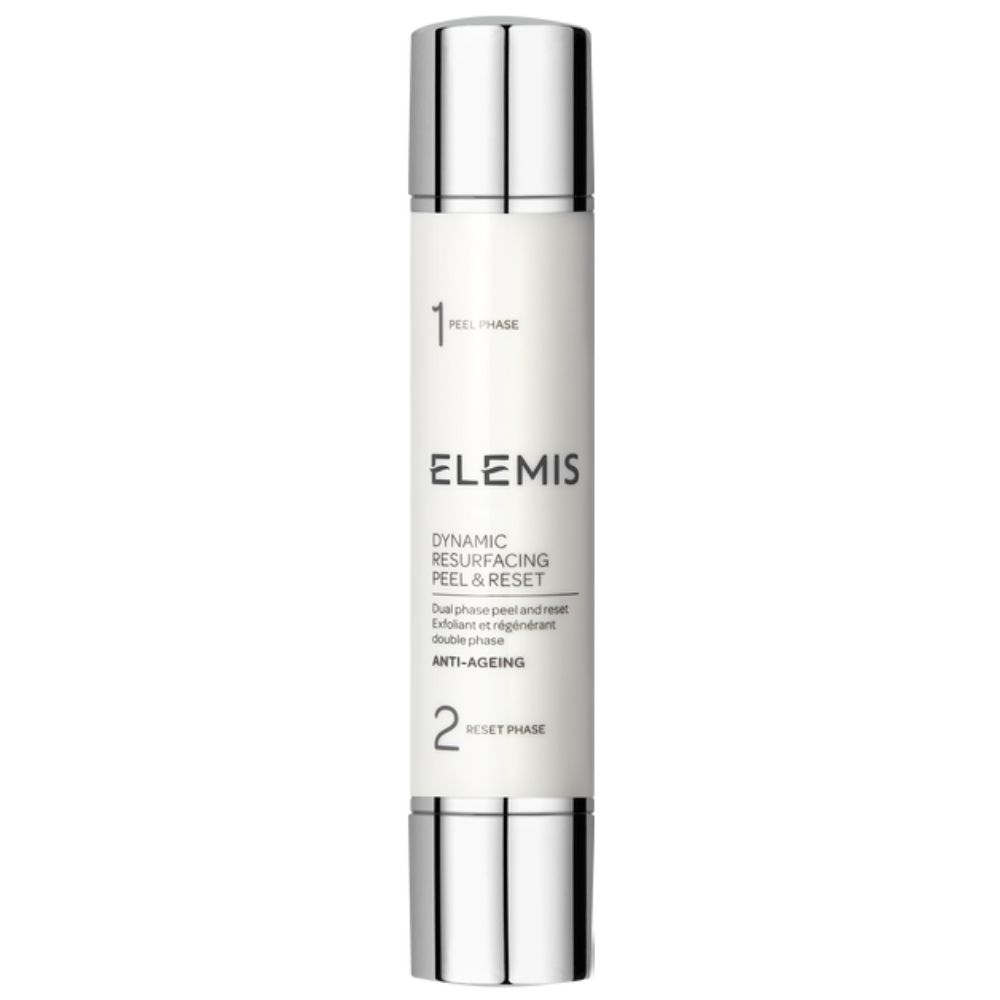
Elemis Dynamic Resurfacing Peel & Reset 30mLA skin-care product for dull skin. It a clinically proven exfoliator that immediately improves skin's radiance and texture, while supporting skin with nourishing moisture. The clinically proven formula gently but effectively cleanses the skin's surface layers and accelerates natural cell renewal in 14 days.64,22 £*Shipping: 5,16 £Secure redirect to the provider
-
Dercos Kera-Solutions Resurfacing Shampoo 250mLA shampoo. Thermal, mechanical and chemical aggressions damage the capillary fiber by degrading the level of keratin. This product, repairs the capillary fiber while respecting the sensitive scalp. Has the Pro-Keratine complex in order to repair the hair, from the first use. Boosts smoothness and shine on dry hair while repairing.11,47 £*Shipping: 6,86 £Secure redirect to the provider
-
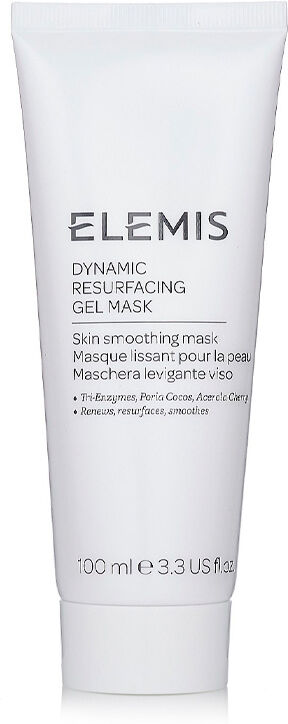
Elemis Dynamic Resurfacing Gel Mask supersize 100mlThe Elemis Dynamic Resurfacing Gel Mask Supersize is a cooling gel mask that combines patented Tri-Enzyme technology with Amazonian Acerola Cherry to encourage natural cell renewal. The advanced formula in this powerful gel mask helps even skin tone and texture. Skin feels instantly smoother and looks more radiant. UK PATENT GB2440117 Ingredients: Aqua/Water/Eau, Polysorbate 20, Glycerin, Menthyl Lactate, Propanediol, Propylene Glycol, Tromethamine, Phenoxyethanol, Carbomer, Butylene Glycol, Bambusa Arundinacea (Bamboo) Stem Extract, Xanthan Gum, PEG-120 Methyl Glucose Dioleate, Fragrance (Parfum), Chlorphenesin, Disodium EDTA, Papain, Mannitol, Sodium Dehydroacetate, Malpighia Glabra (Acerola) Fruit Extract, Behenyl Alcohol, Butyrospermum Parkii (Shea) Butter, Arctium Majus (Burdock) Root Extract, Citric Acid, Glycolic Acid, Hydrogenated Castor Oil, Stearyl Alcohol, Caramel, Zinc Sulfate, Subtilisin, Protease, Poria Cocos (White Truffle) Extract, Acetyl Tetrapeptide-9, Biotin, Potassium Sorbate.90,00 £*Shipping: 0,00 £Secure redirect to the provider


-
What is the difference between bond enthalpy and formation enthalpy?
Bond enthalpy is the energy required to break a specific chemical bond in a molecule, while formation enthalpy is the energy change when one mole of a compound is formed from its elements in their standard states. Bond enthalpy is specific to a particular bond within a molecule, while formation enthalpy is a measure of the overall energy change in forming a compound. Bond enthalpy is typically measured in kilojoules per mole (kJ/mol), while formation enthalpy is also measured in kilojoules per mole (kJ/mol). **
-
What is Hess's law for standard formation enthalpy and combustion enthalpy?
Hess's law states that the total enthalpy change for a reaction is the same regardless of the number of steps taken to reach the final products. This principle can be applied to standard formation enthalpies and combustion enthalpies by using a series of known enthalpy changes to calculate the overall enthalpy change for a reaction. By manipulating and combining these known enthalpies, Hess's law allows us to determine the enthalpy change for reactions that may not be easily measured directly. **
-
What is the difference between standard formation enthalpy and enthalpy change?
Standard formation enthalpy is the enthalpy change that occurs when one mole of a compound is formed from its elements in their standard states. It is a specific type of enthalpy change that is measured under standard conditions. Enthalpy change, on the other hand, is a more general term that refers to the overall change in enthalpy of a system during a chemical reaction or process, regardless of whether it involves formation of a compound or not. Enthalpy change can be positive (endothermic) or negative (exothermic), depending on whether energy is absorbed or released during the process. **
-
How to calculate the reaction enthalpy from the molar bond enthalpy?
To calculate the reaction enthalpy from the molar bond enthalpy, you need to consider the difference between the sum of the bond enthalpies of the reactants and the sum of the bond enthalpies of the products. First, calculate the total bond enthalpy of all the bonds broken in the reactants, and then calculate the total bond enthalpy of all the bonds formed in the products. The reaction enthalpy is then the difference between these two values, with the bond enthalpies of the products subtracted from the bond enthalpies of the reactants. This calculation allows you to determine whether a reaction is exothermic (releasing heat) or endothermic (absorbing heat). **
What is Hess's law equation for standard formation enthalpy and combustion enthalpy?
Hess's law states that the overall enthalpy change for a reaction is the same regardless of the number of steps taken to reach the final products. For standard formation enthalpy, the equation is: ∆Hf°(products) = ∑∆Hf°(products) - ∑∆Hf°(reactants). For combustion enthalpy, the equation is: ∆Hcomb° = ∑∆Hf°(products) - ∑∆Hf°(reactants). These equations allow us to calculate the enthalpy change of a reaction using the enthalpies of formation of the reactants and products. **
What is the difference between standard enthalpy of formation and enthalpy change?
The standard enthalpy of formation is the enthalpy change that occurs when one mole of a compound is formed from its elements in their standard states. It is a specific type of enthalpy change that is measured under standard conditions. On the other hand, enthalpy change refers to the overall change in enthalpy of a system during a chemical reaction or process, which can include various types of enthalpy changes such as enthalpy of reaction, enthalpy of combustion, or enthalpy of solution. In summary, standard enthalpy of formation is a specific type of enthalpy change that relates to the formation of a compound from its elements, while enthalpy change is a broader term that encompasses various types of enthalpy changes in a system. **
Top-Angebote
Products related to Enthalpy:
-
Uplifted Trends Car Tire Polish & Plastic Part Enhancer Durable Maintenance Coating For Tire Luster & Interior Refurbishment Car Tire Polish & Plastic Part Enhancer Durable Maintenance Coating For Tire Luster & Interior RefurbishmentTransform the look and longevity of your tires and plastic parts with our Car Tire Polish 1000 ML & Plastic Part Enhancer. This premium wax is designed for car enthusiasts who want to restore the shine and durability of both tires and plastic...34,97 $*Shipping: 0,00 $Secure redirect to the provider
-
Inspired Living Waterproof Concrete Leak Repair Sealant 500ML Roof Crack Repair Coating 1pcStop leaks before they become costly repairs with our Waterproof Concrete Sealant, a durable coating designed to seal cracks, joints, and damaged surfaces. Whether you're protecting your roof, foundation, walls, or concrete floors, this easytoapply...71,97 $*Shipping: 0,00 $Secure redirect to the provider
-
Mii Cosmetics Bright Skin Resurfacing PadsRevive your skin every day with Mii's Bright Skin Resurfacing Pads - these biodegradable pads have been infused with a powerhouse blend of exfoliating and skin-perfecting ingredients. Featuring a unique 4-acid complex (AHA, PHA, BHA, and TXA), these dual-action pads gently slough away dead skin cells while maintaining your skin’s natural hydration. The result? A visibly brighter, smoother, and more even-toned complexion with refined pores and renewed radiance. Key Benefits: - AHA (Glycolic & Citric Acids): Smooth and brighten by exfoliating the surface to reveal fresh, glowing skin. - PHA (Gluconolactone): Offers gentle exfoliation while delivering hydration. - BHA (Willow Bark Extract): Targets blemishes and decongests pores for clearer-looking skin. - TXA (Tranexamic Acid): Helps reduce visible discolouration and promotes a more even skin tone. - Niacinamide (2%): Enhances radiance, evens skin tone, and softens the appearance of fine lines. - Allantoin (0.1%): Calms and comforts the skin barrier. - Caffeine (0.1%): Supports skin vitality through enhanced microcirculation. Ingredients Water (Aqua), Butylene Glycol, Glycerin, Niacinamide, Methylpropanediol, Glycolic Acid, Hydroxyacetophenone, Sodium Hydroxide, Chlorella Vulgaris Extract, Glucose, Allantoin, Caffeine, Citric Acid, Fructooligosaccharides, Fructose, Gluconolactone, Salix Alba (Willow) Bark Extract, Tranexamic Acid, Polyglyceryl-10 Laurate, Caprylyl Glycol, Ethylhexylglycerin, 1,2-Hexanediol, Pentylene Glycol, Sodium Phytate, Acetyl Glucosamine, Xanthan Gum, Sodium Hyaluronate, Cynanchum Atratum Extract, Althaea Rosea Flower Extract, Sodium Hyaluronate Crosspolymer, Capryloyl Salicylic Acid.18,35 £*Shipping: 0,00 £Secure redirect to the provider
-
Elemis Dynamic Resurfacing Peel & Reset 30mLA skin-care product for dull skin. It a clinically proven exfoliator that immediately improves skin's radiance and texture, while supporting skin with nourishing moisture. The clinically proven formula gently but effectively cleanses the skin's surface layers and accelerates natural cell renewal in 14 days.64,22 £*Shipping: 5,16 £Secure redirect to the provider
-
What is the difference between standard enthalpy of formation, enthalpy of formation, and reaction enthalpy?
The standard enthalpy of formation is the enthalpy change that occurs when one mole of a compound is formed from its elements in their standard states. Enthalpy of formation is the enthalpy change that occurs when one mole of a compound is formed from its elements in their standard states, but it can be under non-standard conditions. Reaction enthalpy is the enthalpy change that occurs in a chemical reaction, which can be exothermic (heat is released) or endothermic (heat is absorbed). **
-
What is enthalpy?
Enthalpy is a thermodynamic property of a system that represents the total energy of the system, including its internal energy and the energy required to maintain constant pressure. It is often denoted as H and is expressed in units of joules. Enthalpy is important in understanding and analyzing processes such as chemical reactions and phase changes, as it provides a measure of the heat content of a system. In practical terms, enthalpy change is often used to quantify the heat absorbed or released during a process at constant pressure. **
-
What is the difference between bond enthalpy and formation enthalpy?
Bond enthalpy is the energy required to break a specific chemical bond in a molecule, while formation enthalpy is the energy change when one mole of a compound is formed from its elements in their standard states. Bond enthalpy is specific to a particular bond within a molecule, while formation enthalpy is a measure of the overall energy change in forming a compound. Bond enthalpy is typically measured in kilojoules per mole (kJ/mol), while formation enthalpy is also measured in kilojoules per mole (kJ/mol). **
-
What is Hess's law for standard formation enthalpy and combustion enthalpy?
Hess's law states that the total enthalpy change for a reaction is the same regardless of the number of steps taken to reach the final products. This principle can be applied to standard formation enthalpies and combustion enthalpies by using a series of known enthalpy changes to calculate the overall enthalpy change for a reaction. By manipulating and combining these known enthalpies, Hess's law allows us to determine the enthalpy change for reactions that may not be easily measured directly. **
Similar search terms for Enthalpy
-
Dercos Kera-Solutions Resurfacing Shampoo 250mLA shampoo. Thermal, mechanical and chemical aggressions damage the capillary fiber by degrading the level of keratin. This product, repairs the capillary fiber while respecting the sensitive scalp. Has the Pro-Keratine complex in order to repair the hair, from the first use. Boosts smoothness and shine on dry hair while repairing.11,47 £*Shipping: 6,86 £Secure redirect to the provider
-
Elemis Dynamic Resurfacing Gel Mask supersize 100mlThe Elemis Dynamic Resurfacing Gel Mask Supersize is a cooling gel mask that combines patented Tri-Enzyme technology with Amazonian Acerola Cherry to encourage natural cell renewal. The advanced formula in this powerful gel mask helps even skin tone and texture. Skin feels instantly smoother and looks more radiant. UK PATENT GB2440117 Ingredients: Aqua/Water/Eau, Polysorbate 20, Glycerin, Menthyl Lactate, Propanediol, Propylene Glycol, Tromethamine, Phenoxyethanol, Carbomer, Butylene Glycol, Bambusa Arundinacea (Bamboo) Stem Extract, Xanthan Gum, PEG-120 Methyl Glucose Dioleate, Fragrance (Parfum), Chlorphenesin, Disodium EDTA, Papain, Mannitol, Sodium Dehydroacetate, Malpighia Glabra (Acerola) Fruit Extract, Behenyl Alcohol, Butyrospermum Parkii (Shea) Butter, Arctium Majus (Burdock) Root Extract, Citric Acid, Glycolic Acid, Hydrogenated Castor Oil, Stearyl Alcohol, Caramel, Zinc Sulfate, Subtilisin, Protease, Poria Cocos (White Truffle) Extract, Acetyl Tetrapeptide-9, Biotin, Potassium Sorbate.90,00 £*Shipping: 0,00 £Secure redirect to the provider
-
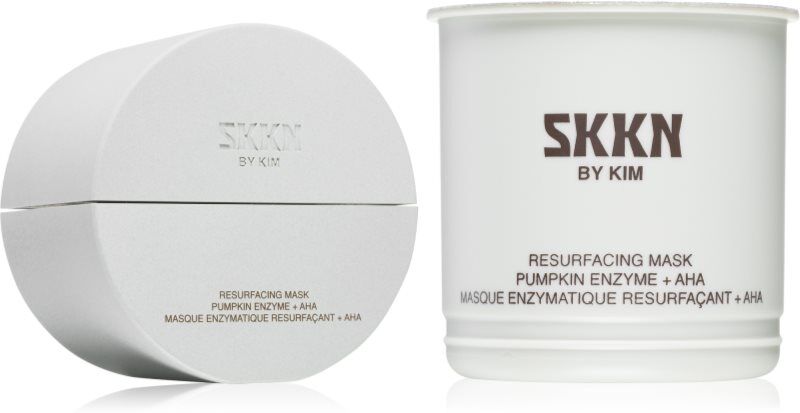
SKKN by Kim Resurfacing Mask Set setSKKN by Kim Resurfacing Mask Set, 1 pc, Eye Masks for Women, Discover a practical bundle of products designed to enhance your everyday moments. SKKN by KimResurfacing Mask Set set takes the hassle out of choosing by offering a combination of popular products. Now available together in one convenient pack. The set contains: SKKN BY KIM Skincare Resurfacing Mask restoring mask for the face 50.00 ml SKKN by Kim Skincare Resurfacing Mask restoring mask for the face 50.00 ml Characteristics: has a gentle exfoliating effect helps to smooth out wrinkles and fine lines evens skin tone gives skin the necessary hydration brightens and freshens How to use: Follow the instructions on the package.16,90 £*Shipping: 3,99 £Secure redirect to the provider
-
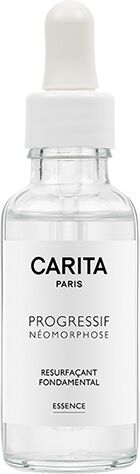
Carita Progressive Neomorphose Fundamental Resurfacing Micro Essence 3Enriched with fruit acids, salicylic acid and glycolic acid, Carita Fundamental Resurfacing Micro-Peel Essence reduces imperfections, uniforms the complexion and improves visibility of skin quality. This unique formula essence, brings to the skin without high-precision peeling at different levels of its surface. Key benefits: Fruit acids to remove impurities on the skin surface. Salycilic acid to refine skin texture. Ingredients:AQUA / WATER - ALCOHOL DENAT. - HYDROXYETHYLPIPERAZINE ETHANE SULFONIC ACID - GLYCOLIC ACID - DIISOPROPYL ADIPATE - PROPYLENE GLYCOL - PENTYLENE GLYCOL - CITRIC ACID - PEG-30 GLYCERYL COCOATE - CAPRYLOYL SALICYLIC ACID - POLYQUATERNIUM-10 - SODIUM HYDROXIDE - PPG-26-BUTETH-26 - PEG-40 HYDROGENATED CASTOR OIL - p-ANISIC ACID - TETRASODIUM EDTA.90,00 £*Shipping: 0,00 £Secure redirect to the provider
-
What is the difference between standard formation enthalpy and enthalpy change?
Standard formation enthalpy is the enthalpy change that occurs when one mole of a compound is formed from its elements in their standard states. It is a specific type of enthalpy change that is measured under standard conditions. Enthalpy change, on the other hand, is a more general term that refers to the overall change in enthalpy of a system during a chemical reaction or process, regardless of whether it involves formation of a compound or not. Enthalpy change can be positive (endothermic) or negative (exothermic), depending on whether energy is absorbed or released during the process. **
-
How to calculate the reaction enthalpy from the molar bond enthalpy?
To calculate the reaction enthalpy from the molar bond enthalpy, you need to consider the difference between the sum of the bond enthalpies of the reactants and the sum of the bond enthalpies of the products. First, calculate the total bond enthalpy of all the bonds broken in the reactants, and then calculate the total bond enthalpy of all the bonds formed in the products. The reaction enthalpy is then the difference between these two values, with the bond enthalpies of the products subtracted from the bond enthalpies of the reactants. This calculation allows you to determine whether a reaction is exothermic (releasing heat) or endothermic (absorbing heat). **
-
What is Hess's law equation for standard formation enthalpy and combustion enthalpy?
Hess's law states that the overall enthalpy change for a reaction is the same regardless of the number of steps taken to reach the final products. For standard formation enthalpy, the equation is: ∆Hf°(products) = ∑∆Hf°(products) - ∑∆Hf°(reactants). For combustion enthalpy, the equation is: ∆Hcomb° = ∑∆Hf°(products) - ∑∆Hf°(reactants). These equations allow us to calculate the enthalpy change of a reaction using the enthalpies of formation of the reactants and products. **
-
What is the difference between standard enthalpy of formation and enthalpy change?
The standard enthalpy of formation is the enthalpy change that occurs when one mole of a compound is formed from its elements in their standard states. It is a specific type of enthalpy change that is measured under standard conditions. On the other hand, enthalpy change refers to the overall change in enthalpy of a system during a chemical reaction or process, which can include various types of enthalpy changes such as enthalpy of reaction, enthalpy of combustion, or enthalpy of solution. In summary, standard enthalpy of formation is a specific type of enthalpy change that relates to the formation of a compound from its elements, while enthalpy change is a broader term that encompasses various types of enthalpy changes in a system. **
* All prices are inclusive of VAT and, if applicable, plus shipping costs. The offer information is based on the details provided by the respective shop and is updated through automated processes. Real-time updates do not occur, so deviations can occur in individual cases. ** Note: Parts of this content were created by AI.